After learning more about the concept of soul mates, I began
to think about just how much effort it
takes to create a happy and successful marriage.
Bumps in the road will inevitably come and there will be days we feel like
giving up. As a stay at home mom to 5 kids, I have had a good deal of these days.
I have felt physically, emotionally, and mentally drained by 4:00 pm. The
problem is that my husband gets home around 6:00 pm, and I admit to having
taken my frustrations out on him. Disagreements are had, tempers lost, money seems
always tight, and believe it or not we don’t always have the same goals in
mind. Being the work in progress that I am, and fully aware of my needs to
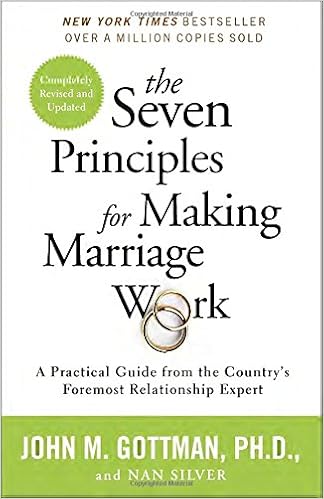
change, I feel compelled to apply the principles of John Gottman,
one of the world’s leading marriage researchers, therapists and author
of The Seven Principles for Making Marriage
Work. He has provided a list of genius and quite simple steps for
peacefully handling differences and solving problems. Okay, so not all of them
are simple, because some might require change, or in a different term I read
this week a “transformative process.” Changing and transforming is hard work,
just like marriage. Both require humility, commitment, sacrifice and
forgiveness.
I believe in tackling change one step at a
time. Once I become better at one thing, I move on to the next. Gottman
suggests that in order to handle differences and problems, we need to apply
prevention strategies. I have spent the majority of my 18 ½ yearlong marriage working on the first
suggestion which includes letting go of “trivial matters,” like when my husband
used to leave open the cupboards. I'm over it now, I promise. Another suggestion we try to follow is having
regular couple counsels where we discuss the family, our marriage, or other
issues. Whenever I ask people what the number one key to a happy marriage is, I
always hear “communication” on the list of must's. This goes to show that experience
has proven you can’t grow together or have a very successful marriage without
it. The people and the experts have spoken!

The next suggestion is one I need
a little more work on. As I mentioned, sometimes when I get tired, angry or
frustrated I take things out on my husband. If I am directly angry or offended
at something he said or did, I will most likely try to avoid him or give him
the silent treatment. Like I said, I’m far from perfect. Gottman says to eliminate
these “destructive interaction patterns.” Get rid of the criticism, contempt,
defensiveness, stonewalling, escalation and invalidation. These are not
effective ways to get your point across and will only make things worse. While
I work on that transformation, I will put the next suggestions on my to do
list. They include things like calming yourself down before and during
communication, bringing up concerns in a soft and gentle way (without blame,
criticism or negative remarks), learning how to de-escalate, apologize and
acknowledge your own faults and your partners strengths and attempts, and
discussing solutions that both can agree with. One specific suggestion that Gottman offered was to use "I statements." He says "complaining is okay, but don't blame. Speak for yourself. Use "I" statements to communicate your feelings (I felt hurt when you left me alone at the party), not "you" statements (you are so inconsiderate)."
I look at these suggestions and
think
overall these things require us to
be humble. A little saying we
hear all
the time is “What would Jesus do?” As cliché as this is, it is a good question to
ponder. If I am acting in a way that is not in line with the example of the
Savior, I need to re-evaluate and transform my actions and thinking. Something
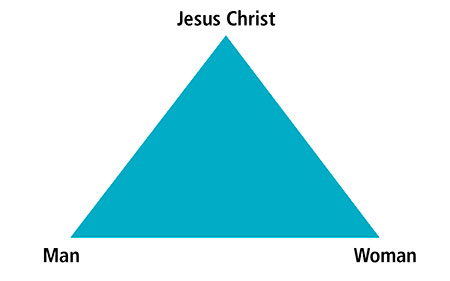
I loved this week was a point made by David A. Bednar. He explained that marriage
is like a triangle with the Savior at the top and the husband and wife at each
lower corner. As the husband and wife each come closer to the Savior, they also
grow closer to each other. I’ve learned over time that the triangle is one of
the strongest forms
in architecture. If one side is broken, the strength is lost. So we too cannot break
the connection between any side of our marital triangle, or the marriage will
weaken. I have also learned from personal experience that when I am not doing what I
should be to draw closer to the Savior, I am more impatient and unloving
towards my husband. By following the example and teachings of the Savior, and working on transforming into a better spouse, I know I can become better at peacefully handling differences and creating more love in my relationship.


No comments:
Post a Comment